Data Analytics for Logistics

In a trade hub that literally never sleeps, the ability to turn messy numbers into a clear plan is the only way to stay ahead of the pack. UpstartAI builds the technical backbone and smart systems needed to stop guesswork and start making every single kilometer traveled across the Emirates count toward your profit. We don’t just give you software; we give you a way to see around corners and fix problems before they even start.
Schedule a Free Call Today
Certified Experts | UAE-Wide Clients | ROI-Focused Campaigns | 10+ Years Experience
The Strategic Importance of Data Analytics for Logistics in a Global Hub
Why Logistics in the UAE Demands Data-Driven Thinking
The UAE sits right at the center of global trade. With major hubs like Jebel Ali Port and Khalifa Port in Abu Dhabi, businesses here are connected to markets across the world. In an environment like this, relying on outdated spreadsheets or slow tracking systems just doesn’t cut it anymore.
This is where Data Analytics for Logistics changes the game. Instead of reacting to delays or disruptions, companies can actually predict them. By combining data from ports, customs systems, and internal operations, you can identify bottlenecks before they turn into real financial losses.
For businesses operating in high-speed zones like SAIF Zone or DIFC, this kind of visibility is critical. Getting the right information at the right time can be just as valuable as moving the goods themselves.
Uncovering Hidden Costs and Improving Efficiency
Let’s be honest-logistics costs are often more complex than they appear on the surface. Many expenses stay hidden inside manual processes or disconnected systems.
With proper logistics data analytics, those blind spots disappear. You can track everything in detail—from compliance with Federal Tax Authority (FTA) regulations to fuel consumption during peak summer months in the UAE. Even small inefficiencies, when identified early, can lead to significant savings over time.
The real goal is to create a system where data flows smoothly across departments. Procurement teams, operations managers, and leadership all work from the same Single Source of Truth. When everyone sees the same numbers, decisions become faster and more accurate. This level of clarity is what allows UAE companies to scale globally without losing control over costs
Achieving Operational Fluidity with Logistics Analytics Solutions
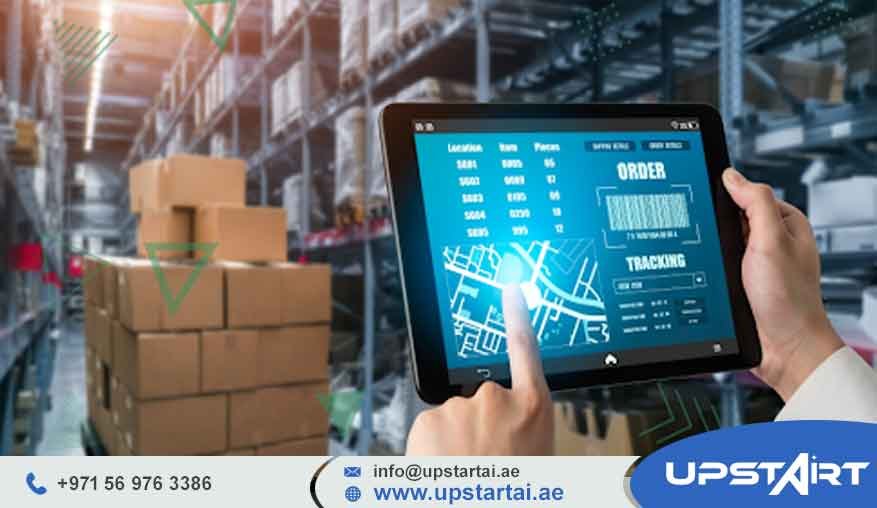
Modern trade is complicated, and you need logistics analytics solutions that can bridge the gap between your physical trucks and your digital data. Most companies have “data silos,” where the warehouse info doesn’t talk to the transport info. We break those walls down by creating one unified data lake that feeds into a central “control tower.” This lets you change your inventory levels based on how fast ships are actually clearing the ports. For a real estate firm in Abu Dhabi or a supplier in Ajman, this means your materials arrive exactly when they’re needed, so your cash isn’t tied up in stock sitting in a warehouse.
Using these tools also helps you pick better partners. By using logistics performance analytics, your buying team can rank every supplier based on how they’ve actually performed in the past—not just who they like. This data-driven way of managing vendors gets rid of bias and makes sure your supply chain is built on people who actually deliver. In a market like the UAE, where being late isn’t an option, being able to swap out a bad partner based on hard facts is a huge win.
Beyond the technical side, these platforms are the first step toward total automation. Once your data is clean, you can start using AI that “fixes itself,” like a system that automatically re-routes a shipment if it sees a delay coming. This means your team doesn’t have to spend all day on routine tasks and can focus on bigger goals like growing into new markets. At UpstartAI, we make sure that moving to these systems brings a real return on investment, so every bit of tech has a clear business purpose.
The Role of AI in Modern Logistics Performance Analytics
We’ve moved past the days of just looking at what happened yesterday. Today, logistics performance analytics is about using machine learning to see what’s going to happen tomorrow. For example, an AI system can look at weather, politics, and port traffic to tell you to move your stock two weeks earlier than usual. For UAE businesses, this proactive move stops those “out of stock” disasters that make customers leave and hurt your brand. It’s about being one step ahead of the problem.
AI also changes how we handle the mountain of paperwork that comes with trade. As the UAE moves toward a totally digital world, AI can check your VAT filings and customs forms in a few seconds. This takes a huge weight off your team and stops those tiny human errors that turn into massive fines or stuck shipments. By letting AI handle the “boring” stuff, your operation can move at the speed of the Dubai market, where every second literally counts.
Looking at 2026 and beyond, AI is even becoming something you can just talk to. A CEO can now ask, “What happens to our fuel bill if we add more runs to Oman?” and get an answer backed by data instantly. This means important insights aren’t trapped in the IT room anymore—they’re available to everyone who needs to make a decision. This kind of transparency is the mark of a business that is truly ready for the future.
UAE Case Study: Digital Transformation in Regional Distribution
A major distributor in Dubai was having a hard time managing a supply chain that touched all seven Emirates. Their manual reports were often 15% off, and they were wasting a lot of money on “Empty Mile” runs where trucks were driving around with nothing in them. UpstartAI stepped in to do a full digital cleanup, putting in a suite of supply chain analytics that connected their warehouse data with a new transportation system.
The results were huge: they cut their total costs by 22% in the first nine months. By using real-time data to plan better routes and fill up their trucks, they saved about 2,000 kilometers of driving every month. They also cut their “out of stock” issues by 30%, which made their big retail partners in Abu Dhabi and Ras Al Khaimah much happier. This is a perfect example of how good tech can solve real business problems in the UAE’s high-pressure market.
Frequently Asked Questions
What is the typical ROI for Data Analytics for Logistics?
Most businesses start seeing a real return on their money in 6 to 12 months. This usually comes from cutting fuel waste, avoiding port fees, and making the team more efficient. By using Data Analytics for Logistics, you can see exactly where your money is leaking out of the supply chain. Over time, you also save money because you can grow your business without having to hire a massive new team for every new truck.
How does logistics data analytics help with UAE VAT and FTA compliance?
By picking up data automatically, logistics data analytics makes sure every single shipment has the right paperwork for tax time. It handles VAT calculations for cross-border trade and creates the reports you need if the FTA ever comes knocking for an audit. Having this data ready to go means you won’t have to scramble to find old forms, which keeps your business safe and your stress levels low.
Why is supply chain analytics important for Jebel Ali port operations?
Jebel Ali is one of the busiest spots on earth, and even a small delay there can ripple through your whole company. Using supply chain analytics lets you track ship arrivals and customs clearance in real-time so you can plan your trucks perfectly. This stops your drivers from sitting around waiting and helps you avoid those expensive storage fees that ports charge when you’re slow to pick up your gear.
Can logistics analytics solutions help with “Last-Mile” delivery in Dubai?
Yes, and this is where many companies win or lose. Good logistics analytics solutions look at traffic, weather, and even how long it takes to find parking in places like Dubai Marina to give better delivery times. This makes your customers much happier and ensures your drivers can finish more deliveries in a single shift. It turns the most expensive part of your delivery into a smooth, efficient process.
What are the benefits of transportation data analytics for fleet safety?
Safety isn’t just about insurance; it’s about keeping your team and your cargo safe. With transportation data analytics, you can see if drivers are braking too hard or speeding, which helps you train them to be better and safer on the road. This leads to fewer accidents, lower insurance costs, and makes sure your reputation for being a reliable company stays solid across the UAE.
How does logistics performance analytics improve warehouse efficiency?
By linking your warehouse to your shipping data, logistics performance analytics helps you decide exactly where to put stock so it can be picked and shipped faster. It tells you which items are moving fast and which ones are just taking up space. This means you can use your warehouse space better and get orders out the door in a fraction of the time it used to take.
Lead the Future with Data Analytics for Logistics
The world of logistics is changing fast, and standing still is the same as moving backward. Companies that still use manual processes will find it impossible to keep up with rivals who use data to move faster and cheaper. The cost of staying the same is now much higher than the cost of upgrading your systems. In the UAE’s aggressive market, you need a digital backbone that works as hard as you do.
In an economy where every minute and every liter of fuel matters, your data is your most powerful tool. If you aren’t using it, you’re leaving money on the table every single day. UpstartAI is here to help you turn those numbers into a powerful engine for your business growth. Let’s build a supply chain that is ready for whatever the future holds.
UpstartAI +971 569763386
info@upstartai.ae
www.upstartai.ae