Software Development Modernization
Bridge the gap between restrictive legacy code and high-performance scalability with UpstartAI’s bespoke engineering solutions. We empower Dubai’s most ambitious firms to transition from technical debt to market leadership through strategic architectural shifts.
[Schedule a Free Call Today]
Certified Experts | UAE-Wide Clients | ROI-Focused Campaigns | 10+ Years Experience
The Strategic Imperative of Software Development Modernization
In the current global economic landscape, the ability to pivot and scale is the ultimate competitive advantage. For established enterprises in the Middle East, this agility is often hampered by aging infrastructure. Software Development Modernization is no longer a luxury for IT departments; it is a fundamental business strategy required to maintain relevance in a hyper-connected market. At UpstartAI, we view modernization not just as a technical upgrade, but as a complete revitalization of your business logic to meet the demands of the modern era.
Legacy systems often act as “digital anchors,” dragging down innovation cycles and consuming a disproportionate amount of the annual IT budget just for basic maintenance. When a system can no longer support integrations with modern AI tools or real-time data analytics, the business loses its “eyes and ears” on the ground. Modernizing these systems allows for the adoption of microservices, containerization, and cloud-native architectures that transform rigid codebases into flexible assets.
The truth is, the ROI of such a transition is multifaceted. Beyond immediate cost savings from decommissioned on-premise servers, there is a profound impact on speed-to-market. Whether you are launching a new fintech product in the DIFC or optimizing supply chain logistics for a Jebel Ali-based distribution hub, the speed at which you can deploy updates determines your market share. This process involves a meticulous assessment of the existing monolith, identifying the “highest-value” modules to migrate first, ensuring that business operations remain uninterrupted during the transition.
Navigating the Shift: Software Modernization UAE Trends
The regional landscape is unique, characterized by rapid urban development and a vision for a paperless, AI-driven government. Implementing software modernization UAE projects requires a deep understanding of local regulatory frameworks and the specific needs of the Gulf market. From ensuring data residency compliance to integrating with local payment gateways like M-Pay or Noqodi, the technical requirements here go beyond standard global templates. Businesses in the UAE are increasingly moving away from “black-box” legacy software toward open, interoperable systems that can speak to the wider digital ecosystem.
One of the most significant trends we see in the local market is the move toward “intelligent” automation. Modernization projects are increasingly incorporating machine learning layers that can predict maintenance needs in industrial sectors or automate tenant queries in the booming real estate markets of Abu Dhabi and Dubai. By modernizing the underlying software architecture, firms can finally leverage the massive data sets they have collected over decades, turning dormant information into actionable insights.
Think of it this way: the talent landscape in the region is shifting. The next generation of UAE-based developers and IT managers are trained in modern frameworks like React, Go, and Python. Retaining top-tier talent becomes difficult when they are forced to work with obsolete languages or convoluted spaghetti code from the early 2000s. By adopting a modern tech stack, UAE enterprises not only improve their systems but also become more attractive employers for the high-level specialists needed to drive future growth.
Overcoming Tech Debt with Legacy System Modernization UAE
Many organizations across the seven Emirates find themselves trapped in long-term contracts with vendors of proprietary systems that have become obsolete. Engaging in legacy system modernization UAE allows these organizations to reclaim their digital sovereignty. This isn’t about discarding years of business logic; it’s about extracting that logic and wrapping it in modern, secure, and scalable wrappers. We often see large-scale retail entities in Sharjah or manufacturing plants in Ras Al Khaimah struggling with systems that were designed before the era of mobile-first commerce and IoT.
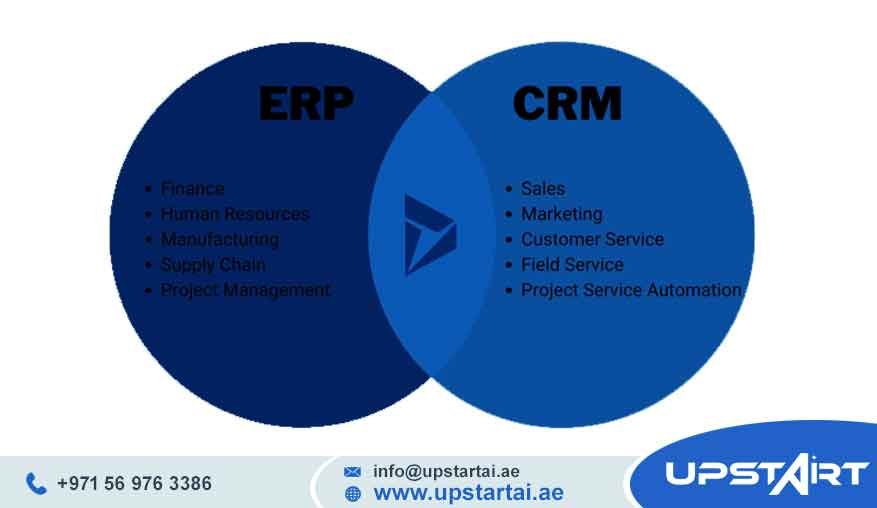
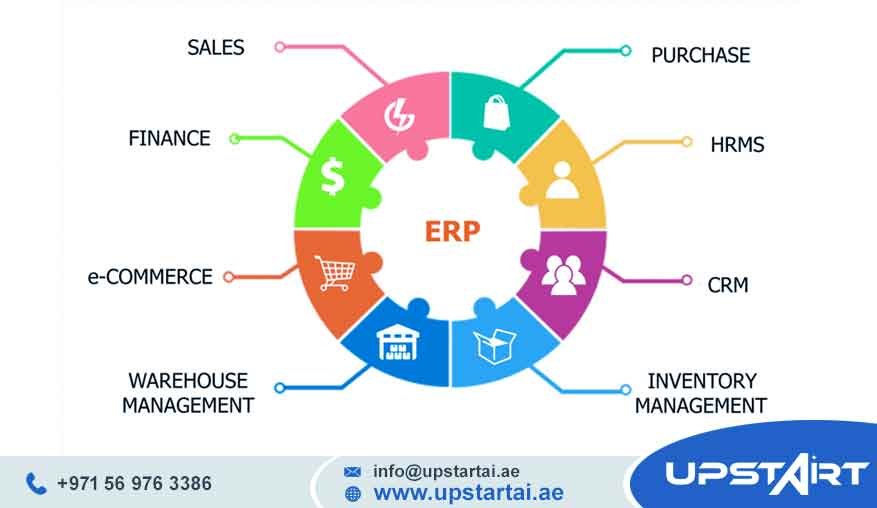
The transition process usually begins with a “Value vs. Risk” matrix. We analyze which parts of the legacy system are mission-critical and which are merely “noise.” For instance, a legacy ERP system might still handle core accounting perfectly well but fail miserably at providing a modern interface for remote field workers. In such cases, we might implement a “strangler pattern” approach, where new functionality is built in a modern environment and gradually replaces the legacy components until the old system can be safely retired.
Security is the other primary driver for these initiatives. Older systems often lack the encryption standards and multi-factor authentication protocols required to defend against contemporary cyber threats. In a region where high-profile enterprises are frequent targets for sophisticated phishing and ransomware attacks, having a modernized, “secure-by-design” architecture is the best form of insurance. We ensure that every modernization project adheres to the highest international security standards while meeting the specific compliance requirements of the UAE National Cybersecurity Council.
Optimizing Performance via Application Modernization UAE
Performance today is measured in milliseconds. If your internal or customer-facing applications are sluggish, you are losing money. Our approach to application modernization UAE focuses on optimizing the user experience and backend efficiency to ensure your software can handle the peak loads associated with major regional events like the Dubai Shopping Festival or the Abu Dhabi Grand Prix. We look at the entire delivery pipeline—from code commit to deployment—to remove bottlenecks and automate testing.
A key component of this modernization is the migration to the cloud, but with a “Cloud-Smart” rather than just a “Cloud-First” strategy. We help UAE firms navigate the choices between public, private, and hybrid cloud models, focusing on latency and data sovereignty. For a logistics company operating out of Dubai South, this might mean moving their tracking system to a serverless architecture that scales automatically as shipping volumes fluctuate. This elasticity ensures they only pay for the computing power they use, significantly reducing operational expenditure.
The real-world focus is also on user experience (UX). Many legacy applications were built for desktops with high-resolution monitors and wired connections. In today’s UAE, where mobile penetration is among the highest in the world, applications must be responsive and performant on 5G networks. We refactor the frontend of these applications using modern frameworks that provide a “native” feel on mobile devices without requiring a full rewrite of the backend logic. This hybrid approach provides the fastest path to improved user satisfaction and higher conversion rates.
The Holistic Impact of Digital Transformation UAE
True modernization is a subset of a much larger journey: digital transformation UAE. This encompasses not just the code, but the culture, processes, and business models of an organization. When we work with a government entity in Umm Al Quwain or a hospitality group in Fujairah, we aren’t just looking at their software; we are looking at how that software enables them to serve their citizens or guests better. Modernization provides the foundation upon which a truly digital-first organization is built.
Digital transformation in the UAE context often involves the integration of various silos. A real estate firm might have separate systems for sales, property management, and VAT filing under the Federal Tax Authority (FTA). A successful transformation project bridges these silos, creating a single source of truth that flows seamlessly across the organization. This allows for real-time reporting and “What-If” scenario planning that was previously impossible.
The role of Artificial Intelligence in this transformation cannot be ignored. Modernized software architectures are “AI-ready.” They feature clean APIs and structured data pipelines that allow for the easy integration of Large Language Models (LLMs) or predictive analytics. Whether it’s a chatbot that understands the nuances of local Arabic dialects or an AI system that optimizes energy consumption in a Sharjah skyscraper, these innovations are only possible once the underlying software has been modernized.
Precision Engineering: Enterprise Software Modernization Dubai
Dubai serves as the commercial heart of the region, demanding a level of software sophistication that matches its world-class infrastructure. enterprise software modernization Dubai projects frequently involve complex integrations with global ERPs like SAP or Oracle, as well as local banking APIs. UpstartAI specializes in these high-stakes environments where downtime is not an option. We understand that a 10-minute outage in a DIFC trading platform or a DP World terminal can result in millions of dirhams in lost revenue.
Our methodology for Dubai-based enterprises involves a heavy emphasis on DevOps and DevSecOps. By automating the deployment pipeline, we allow businesses to push updates multiple times a day with total confidence. This “Continuous Integration/Continuous Deployment” (CI/CD) culture is what separates the market leaders from the laggards. It allows for rapid experimentation; if a new feature isn’t working for your customers in the Marina, you can roll it back or tweak it in hours, not months.
In the real world, we also address the “Human Element.” Modernizing enterprise software often requires a change in how employees work. We provide comprehensive training and change management support to ensure that the transition to new systems is met with enthusiasm rather than resistance. By involving end-users early in the design process of the modernized system, we ensure the new software actually solves their daily frustrations, leading to higher productivity across the entire organization.
Implementation: The UpstartAI Roadmap
Modernizing a complex ecosystem requires a disciplined, multi-phase approach to ensure nothing is lost in translation.
-
Phase 1: Deep Audit & Inventory: We catalog every dependency, API, and database query in your current environment to identify risks.
-
Phase 2: Architectural Blueprinting: We design a target state that utilizes microservices and cloud-native components, tailored for the UAE’s specific regulatory and latency requirements.
-
Phase 3: Incremental Refactoring: Using the “strangler pattern,” we begin replacing old modules with new ones, ensuring continuous business operation.
-
Phase 4: Optimization & AI Integration: Once the base is modern, we layer in advanced features like predictive analytics or automated workflows.
Case Study: Digital Transformation in the UAE Real Estate Sector
A prominent property developer based in Abu Dhabi was struggling with a 15-year-old legacy system that managed everything from lead generation to post-sale maintenance. The system was unable to integrate with modern CRM tools or provide a mobile interface for their sales agents on the ground. This led to massive data silos and a significant drop in lead conversion rates.
UpstartAI was brought in to lead a comprehensive modernization initiative. We decoupled the monolithic database and moved the core logic to a microservices architecture hosted on a local UAE cloud provider. We developed a custom API layer that allowed the new system to sync in real-time with the developer’s marketing tools and the Dubai Land Department’s systems. Within six months, the developer saw a 40% increase in agent productivity and a 25% reduction in IT maintenance costs. This project serves as a prime example of how targeted modernization can revitalize an entire business’s bottom line.
Frequently Asked Questions
What is the average timeline for a software modernization UAE project? Typically, a comprehensive modernization project ranges from 4 to 12 months, depending on the complexity of the legacy stack and the desired target state. We focus on incremental delivery, meaning you will see functional improvements and ROI every 4–6 weeks rather than waiting until the very end. Our team ensures that these timelines align with your specific business cycles, such as avoiding major deployments during peak retail or fiscal periods.
How does legacy system modernization UAE help with VAT compliance? Modernized systems allow for automated, real-time data collection and reporting that aligns perfectly with Federal Tax Authority (FTA) requirements. By replacing manual data entry or outdated reporting modules with automated API integrations, we eliminate the human error that leads to fines. This ensures that your business remains fully compliant with the latest UAE tax laws without adding to your team’s administrative burden.
Is application modernization UAE expensive for mid-market firms? While there is an upfront investment, the long-term cost of not modernizing—high maintenance, security risks, and lost opportunities—is significantly higher. We offer modular modernization strategies that allow mid-market firms to tackle their most pressing technical debt first, spreading the cost over time. This approach ensures that the project pays for itself through increased efficiency and reduced operational overhead.
How do you ensure data residency during digital transformation UAE? UpstartAI strictly adheres to UAE data sovereignty laws by utilizing local cloud regions (such as Microsoft Azure or AWS data centers located in Dubai and Abu Dhabi). We ensure that sensitive customer and corporate data never leaves the country during the migration process. Our team is well-versed in the specific data protection regulations governing various sectors, including healthcare and finance.
Can enterprise software modernization Dubai improve my customer experience? Absolutely; modernization allows you to implement high-speed, responsive interfaces and real-time features that customers in Dubai’s competitive market expect. Whether it’s a faster checkout process or an AI-driven recommendation engine, these improvements are only possible on a modern backend. By reducing latency and improving uptime, you build greater trust and loyalty with your end-users.
What technologies do you use for modernization? We utilize a wide range of modern technologies including Kubernetes for orchestration, Docker for containerization, and languages like Python, Node.js, and Go for backend services. Our frontend team specializes in React and Flutter to ensure cross-platform compatibility. We also integrate advanced AI and Machine Learning libraries to ensure your system is ready for the next decade of innovation.
Secure Your Legacy with Software Development Modernization
The pace of innovation in the Middle East is relentless. Choosing to delay your technical evolution is a choice to let your competitors take the lead. Software Development Modernization is the engine that will power your business through the complexities of the next decade, ensuring you remain as fast and agile as the market demands.
Stagnation is the silent killer of the modern enterprise; every day spent on a failing system is a day of lost data, lost revenue, and lost talent. At UpstartAI, we provide the technical expertise and local insight needed to turn your legacy challenges into a formidable competitive advantage.
Contact UpstartAI Today Phone: +971 569763386 Email: info@upstartai.ae Office: Dubai, UAE (Serving all 7 Emirates)