Data Analytics Implementation Guide

In a market as fast as the Middle East, sitting on a mountain of data doesn’t mean much if you can’t use it. Information is everywhere, but the real winners in the GCC are the companies that can turn messy numbers into a clear plan for making more money. This Data Analytics Implementation Guide is more than just a technical manual; it’s a strategic map for businesses that want to stop guessing and start knowing. At UpstartAI, we take the headache out of complex tech. We make sure your data setup actually works for your bottom line, turning it into a growth engine for your regional operations.
Think of your data as the engine of your business. If it’s tuned right, it can drive you anywhere. We help Dubai’s most ambitious leaders pull their information together—from Jebel Ali shipping docks to the high-rise offices in DIFC—creating a single, honest view of the business. By using smart machine learning and solid cloud systems, we help you stay three steps ahead of the competition.
[Schedule a Free Call Today]
Certified Experts | UAE-Wide Clients | ROI-Focused Campaigns | 10+ Years Experience
The Strategic Necessity of Modern Data Architecture in the UAE
The business world in the UAE moves at breakneck speed. Between massive digital shifts and a global talent pool, local companies face a unique set of hurdles. Often, the problem isn’t that you don’t have enough data. The real issue is usually the lack of a solid data analytics implementation guide that actually understands how things work here. If you’re juggling a massive real estate portfolio in Abu Dhabi or a retail chain in Sharjah, you need your data in one place. Without a clear framework, departments end up working in bubbles. Marketing doesn’t talk to procurement, and you end up wasting money on things you don’t need.
Getting your data right isn’t just about buying fancy new software. It’s about changing how your team thinks. In the UAE, staying on the right side of the law—like VAT rules from the Federal Tax Authority (FTA)—means your records have to be perfect. A structured data setup makes tax season a breeze instead of a nightmare. When your sales data flows automatically into your reports, you stop making manual mistakes. This frees up your best people to focus on big-picture strategy rather than fighting with spreadsheets all day.
The truth is, AI is no longer a “maybe” for the future; it’s a “must” for right now. Dubai is on a mission to be the smartest city on earth, and your company needs an enterprise data analytics implementation plan that keeps up. This means using predictive models to see what’s coming. For a logistics company in Ras Al Khaimah, this could mean spotting a supply chain delay before it happens. For a hotel in Fujairah, it might mean knowing exactly what a guest wants before they even check in.
How to Implement Data Analytics in Business: A Lifecycle Approach
If you want to know how to implement data analytics in business, you have to start by matching your tech to your goals. You can’t just flip a switch. It starts with a deep look at what you already have. Where is your data coming from? Who is in charge of it? Where is it sitting? In many UAE firms, data is stuck in old ERP systems, random Excel files, or different cloud apps. We start by building a “Data Map.” This shows exactly how a piece of info travels from the moment it’s created to the moment it helps you make a choice.
After the audit, we pick your “tech stack.” This is where a lot of businesses trip up. They either buy something way too complicated or something so cheap it breaks when they try to grow. In the UAE, you also have to worry about where your data is stored because of local laws. UpstartAI builds solutions that follow the rules but still give you the power of big names like AWS or Azure. We set up the “pipes” (or ETL protocols) that clean your data. After all, if you put junk in, you’re going to get junk out.
The last piece of the puzzle is the visual part. Data is useless if it’s just a wall of numbers. We build dashboards that tell a story you can actually understand. A CEO in Dubai needs to see customer costs and lifetime value at a glance. A manager in an Ajman warehouse needs to see which products are moving fastest. By making the data easy to read, we make sure everyone in your company can make better choices, faster.
Navigating the Technical Data Analytics Deployment Process
The data analytics deployment process is the heavy lifting phase. This is where we turn a plan on paper into a working system. First, we set up the infrastructure—the digital “house” where your data lives. For companies in the UAE, we usually suggest a “hybrid” approach. This gives you the speed of local access with the heavy-duty power of the cloud. Security is a massive deal here. We use top-tier encryption and multi-factor logins to make sure your company secrets stay secret.
Once the house is built, we install the plumbing. These are the pipelines that move data from one place to another. A modern setup needs to handle everything: standard databases, social media feeds, and even sensor data from a factory in Umm Al Quwain. We use “Infrastructure as Code” to make sure the system is stable and easy to check. This kind of professional setup is what keeps your business running smoothly for years, rather than just being a quick fix that breaks next month.
Before we hand over the keys, we test everything. We run “User Acceptance Testing” to make sure the logic is sound. For a real estate firm in Dubai, we check our price predictions against years of actual market data from the Land Department. We don’t just “go live” and hope for the best. Once we know the numbers are 100% right, we train your team. We make sure your people feel comfortable using the new tools so the transition is as easy as possible.
Detailed Step-by-Step Data Analytics Setup for ROI
To get a real return on your investment, you need a step-by-step data analytics setup that looks for “quick wins.” We don’t try to fix everything on day one. Instead, we find three areas where data can make the biggest impact—like stopping customers from leaving, cutting shipping costs, or getting people to spend more per order. By focusing on these “Value Pillars” first, we can show you real results in the first 90 days. This makes everyone feel better about the project and proves the tech works.
The second step is bringing in outside info. Your business doesn’t live in a bubble. For a UAE company, you need to know about global prices, local weather, or how the economy is moving. Our setup connects these external bits of info to your internal data. This gives you “context.” It’s the difference between seeing that sales are down and knowing why they are down compared to the rest of the market in Abu Dhabi.
The third and most vital step is setting the ground rules, or “Data Governance.” This decides who gets to see what and how you define success. In a big company, different managers often have different versions of the truth. One says you have 1,000 customers, another says 800. Our setup fixes this with a “Data Dictionary” and automatic quality checks. When your board meets in Dubai, everyone is looking at the same trusted numbers. This stops the arguing and gets people moving in the same direction.
Case Study: Digital Transformation in the UAE Logistics Sector
Let’s look at a real example. We worked with a major logistics firm in the Jebel Ali Free Zone. They were a mess of disconnected data. Their trucks, their warehouses, and their shipping offices weren’t talking to each other. This led to wasted marketing money and slow deliveries. By following a custom enterprise data analytics implementation plan, we pulled everything into one secure AWS cloud.
We built AI models to predict when trucks needed repairs and mapped out better routes using real-time Dubai traffic info. In just six months, they cut fuel costs by 22% and got way better at hitting their delivery times. Even better, they figured out exactly which marketing ads were bringing in their best customers. This helped them fix their budget and improve their lead quality by 40%. They stopped guessing and started winning.
Frequently Asked Questions
What is the typical timeline for an enterprise data analytics implementation? Usually, you’re looking at three to six months to get a full system up and running. It depends on how messy your current systems are and how much data we’re dealing with. We start with a plan, then build the pipes and the storage. For our clients in the UAE, we like to deliver things in stages. This means you get working dashboards in about eight weeks, so you can start seeing value while we finish the more complex AI work in the background.
How do you ensure data privacy during the data analytics deployment process? Security isn’t an afterthought for us; it’s built into the foundation. We use high-level encryption and strict “need-to-know” access rules. Everything we do follows the UAE’s Data Protection laws and international rules like GDPR. We make sure sensitive info is hidden and that your data stays exactly where it’s supposed to be, which is especially important for government or financial firms in the DIFC.
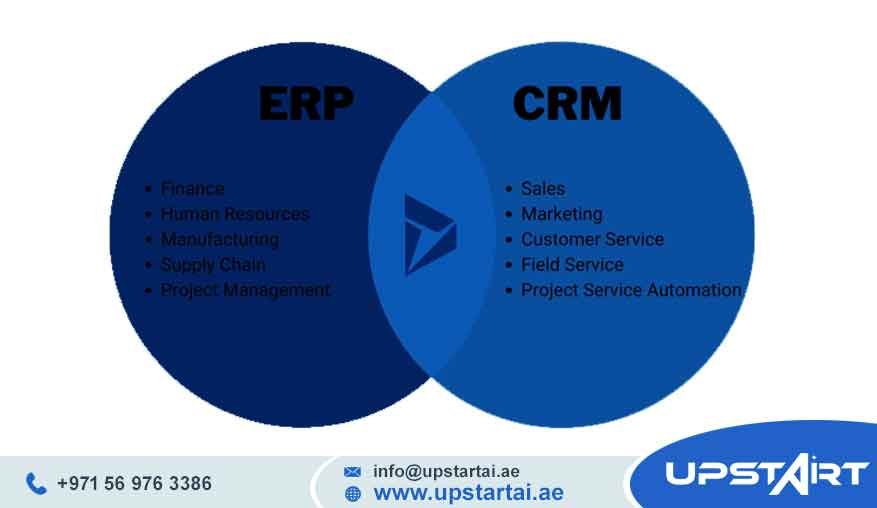
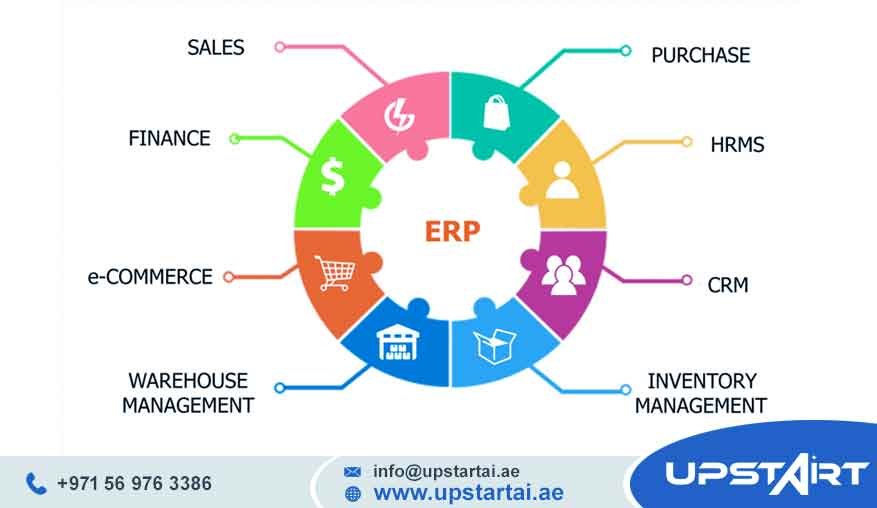
Can your step-by-step data analytics setup integrate with our existing ERP? Yes, we can work with almost anything. Whether you use SAP, Oracle, Microsoft Dynamics, or something custom you built yourself, we can connect to it. Our goal is to pull the data we need without slowing down your day-to-day work. We create a separate area for analysis so your main business systems stay fast and responsive while we crunch the numbers.
What are the primary costs associated with how to implement data analytics in business? There are three main parts: the “rent” for the cloud (like AWS fees), the software licenses for the dashboards, and the cost of our experts to build and train your team. We are very careful about cloud costs. A lot of companies overpay for power they don’t use. We set things up so you only pay for what you need, which keeps the long-term bill much lower for our UAE clients.
Why is a bespoke Data Analytics Implementation Guide better than an “off-the-shelf” solution? The problem with “one-size-fits-all” software is that it doesn’t understand the UAE. It might struggle with different currencies, local shipping quirks, or our specific tax laws. A custom guide is built around your specific goals. It makes sure the tech fits your business, rather than forcing you to change how you work to fit the tech. This makes it much more likely that your team will actually use it.
Do you provide support for teams in Emirates outside of Dubai, like Ajman or Fujairah? Of course. We work with businesses across all seven Emirates. We know that a business in Ras Al Khaimah has different needs than one in Sharjah or Abu Dhabi. Our team is happy to travel to your headquarters for deep-dive sessions, and we provide ongoing support no matter where you are located in the country.
Secure Your Future with our Data Analytics Implementation Guide
The digital world in the UAE is moving fast. Right now, there is a massive gap growing between companies that use data and companies that just “wing it.” If you don’t have a clear plan for your information, you’re basically standing still while everyone else is running. This isn’t just a tech problem—it’s a business risk. Relying on “gut feelings” in 2026 is a great way to lose market share and waste your budget.
Doing nothing will cost you more in the long run than building a proper system now. Your competitors are already using AI to stay ahead. If you stick with old-fashioned ways, you’re going to get left behind. UpstartAI is here to make sure that doesn’t happen. we turn your raw data into a powerful tool that helps you win more business and grow faster.
Contact UpstartAI Today Phone: +971 569763386 Email: info@upstartai.ae Website: www.upstartai.ae