
How To Migrate Data To Cloud Dubai ✔ S
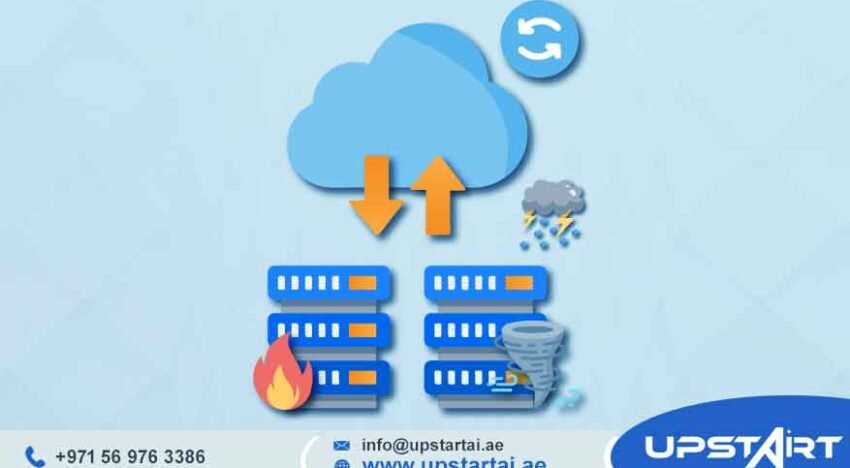
How to Migrate Data to Cloud Dubai: Migrating data to the cloud is no longer just a technical upgrade. For businesses in Dubai and across the UAE, it is a strategic step toward smarter decision-making, faster operations, and long-term scalability.
Our approach goes beyond simple data movement. We design cloud data migration strategies that support analytics dashboards, big data intelligence, ERP integration, and AI-driven workflows. Businesses trust us because we combine technical depth with real business understanding, delivering cloud migration solutions that create measurable impact across the organization.
Book a consultation today to discuss your cloud migration goals with experienced analytics and AI specialists who understand the UAE market and its compliance requirements.
Why Cloud Data Migration Is Critical for Businesses in Dubai
Dubai-based businesses operate in a fast-moving, highly competitive environment where decisions must be data-driven and timely. Many organizations still rely on on-premises systems or fragmented data centers that slow reporting, limit analytics capabilities, and create operational bottlenecks. Cloud data migration addresses these issues by centralizing data, improving accessibility, and enabling real-time insights.
When data remains locked in legacy systems, businesses struggle with delayed reporting, inconsistent numbers, and limited forecasting accuracy. Migrating data to the cloud creates a single, reliable source of truth that analytics dashboards, ERP platforms, and AI automation tools can build upon. This shift allows leadership teams to respond faster to market changes and internal performance signals.
In the UAE, cloud migration also supports scalability. As businesses expand acrossthe Emirates or into new markets, cloud-based data platforms grow with them without the cost and complexity of expanding physical infrastructure.
How Does Cloud Data Migration Work in Real Business Environments
Many decision-makers ask how cloud data migration works beyond technical diagrams. In practical terms, cloud data migration is a structured process of moving business-critical data from on-premises systems or legacy data centers into a secure cloud environment while preserving accuracy, security, and performance.
The process starts with understanding how data is currently used. This includes reporting workflows, ERP dependencies, analytics dashboards, and manual processes that rely on the data. Once these dependencies are mapped, data is prepared, cleaned, and structured for migration. Secure cloud data transfer mechanisms are then used to move data into the target environment.
After migration, data is validated, optimized, and integrated with analytics and AI tools. This ensures the cloud environment does not just store data but actively supports smarter decision-making, automation, and business intelligence.
Steps to Migrate Data to the Cloud Successfully
A successful cloud data migration follows a clear sequence of steps designed to minimize risk and disruption. The first step is assessment, where existing systems, data quality, and business objectives are evaluated. This helps define a cloud migration strategy for businesses that aligns with operational goals.
The next step is architecture planning. This involves selecting the appropriate cloud platform, designing data structures, and defining security and access controls. Once planning is complete, secure data transfer is executed using tested migration tools and processes.
The final steps include testing, validation, and optimization. Data accuracy is verified, analytics dashboards are connected, ERP systems are synchronized, and performance is fine-tuned. This structured approach reduces downtime and ensures business continuity throughout the cloud data migration process.
Cloud Data Migration Strategy for Modern UAE Businesses
A cloud migration strategy should never be one-size-fits-all. Businesses in Dubai operate across diverse industries, from retail and logistics to healthcare, finance, and professional services. Each has unique data volumes, compliance needs, and operational priorities.
An effective strategy considers whether the business requires a phased migration, a hybrid environment, or a full data center to cloud migration. It also evaluates how migrated data will be used for analytics, forecasting, ERP workflows, and AI automation. At Upstart AI, we design strategies that prioritize business outcomes, not just infrastructure changes.
This strategic focus helps organizations avoid common pitfalls such as cost overruns, underutilized cloud platforms, or analytics tools that fail to deliver value.
Common Challenges in Cloud Data Migration and How to Overcome Them
Cloud data migration presents several challenges that can create anxiety for business leaders. One major concern is data security during transfer, especially for sensitive financial or customer information. Without proper encryption and access controls, data can be exposed to unnecessary risk.
Another challenge is data quality. Migrating inaccurate or duplicated data into the cloud can amplify existing reporting problems instead of solving them. There is also the risk of business disruption if migration is not carefully planned around operational timelines.
These challenges are addressed through secure cloud data migration services, thorough testing, and phased implementation. By combining technical controls with business-aware planning, risks can be minimized while maintaining operational stability.
Best Practices for Cloud Migration That Deliver Real ROI
Successful cloud migration is guided by best practices that balance speed, security, and long-term value. One key practice is starting with clear business objectives, such as improving analytics accuracy or enabling ERP automation, rather than focusing only on infrastructure.
Another best practice is maintaining strong governance. Clear ownership of data, defined access policies, and ongoing monitoring ensure that cloud environments remain secure and compliant. Continuous optimization after migration is also essential to control costs and improve performance.
By following these best practices, businesses in the UAE can turn cloud migration into a foundation for innovation rather than a one-time IT project.
Cloud Migration Risks and Practical Solutions
Every cloud migration carries risk, but most risks are manageable with proper planning. Data loss, downtime, and compliance issues are common concerns. These risks are reduced by using tested migration tools, running parallel systems during transition, and validating data at each stage.
Cost unpredictability is another risk, particularly when cloud usage is not monitored. This is addressed through cost modeling, usage tracking, and ongoing optimization. Vendor lock-in can also be mitigated by designing flexible architectures that support future changes.
Understanding these risks early allows businesses to make informed decisions and avoid surprises during the migration journey.
Why Choose Upstart AI for Cloud Data Migration in Dubai
Businesses choose Upstart AI because we approach cloud data migration as a business transformation initiative, not just a technical task. Our teams understand analytics dashboards, ERP systems, and AI automation deeply, allowing us to design cloud environments that actively support decision-making and efficiency.
We provide professional cloud migration services that Dubai organizations can rely on, with transparent processes, clear communication, and measurable outcomes. Our managed cloud migration Dubai services ensure that clients are supported before, during, and after migration.
With UAE-wide coverage and rapid implementation capabilities, we help businesses move forward confidently while maintaining control over their data and operations.
Our AI, Analytics, and Cloud Services
Upstart AI delivers integrated services designed to maximize the value of cloud data migration. Analytics dashboard development enables leaders to view performance metrics in real time and make informed decisions. Data analytics and visualization services transform raw data into meaningful insights.
Our big data intelligence solutions help organizations analyze large datasets for trends, forecasting, and optimization. ERP system development and integration ensure that core business processes are aligned with cloud-based data platforms.
AI automation services reduce manual effort by automating repetitive workflows, while predictive analytics supports proactive decision-making. Each service is tailored to the needs of startups, SMEs, and enterprise organizations seeking scalable growth.
Our End-to-End Cloud Data Migration Process
Our process begins with a free consultation to understand business goals, existing systems, and data challenges. This is followed by a detailed data and system audit that identifies dependencies, risks, and opportunities for optimization.
Next, we design a tailored cloud architecture and migration plan aligned with analytics, ERP, and AI requirements. Implementation includes secure data transfer, integration with analytics tools, and system testing.
Post-migration, we focus on optimization and reporting, ensuring that clients achieve measurable improvements in performance, efficiency, and insight generation.
Business Problems We Solve Through Cloud Migration
Many organizations struggle with inefficient manual processes caused by disconnected systems and outdated infrastructure. Cloud migration enables centralized data access, reducing time spent on manual reporting and reconciliation.
Data silos often prevent accurate forecasting and strategic planning. By migrating data to a unified cloud platform, businesses gain consistent, reliable insights. Low productivity from repetitive tasks is addressed through AI automation built on cloud-based data.
As businesses scale, operational complexity increases. Cloud migration supports growth by providing flexible infrastructure and analytics-driven visibility across operations.
Cloud Migration Costs and Pricing Considerations
The cost of cloud data migration depends on several factors, including data volume, system complexity, security requirements, and integration needs. Projects involving enterprise data migration to cloud platforms typically require more planning and testing than smaller deployments.
Customization, urgency, and post-migration support also influence pricing. While exact costs vary, transparent pricing models help businesses plan investments with confidence. Estimated ranges can be discussed during consultation to align expectations with business goals.
Practical Tips for Maximizing Value After Cloud Migration
To fully benefit from cloud migration, businesses should actively use analytics dashboards to monitor performance and identify opportunities for improvement. ERP systems should be optimized to take advantage of real-time data availability.
Identifying processes suitable for AI automation can significantly improve efficiency and reduce operational costs. Measuring ROI through performance metrics ensures that cloud investments continue to deliver value over time.
Ongoing training and support help teams adapt to new systems and maximize adoption across the organization.
Why Upstart AI Is a Leading Choice for AI and Analytics-Driven Cloud Migration
Our unique value lies in combining cloud migration expertise with advanced analytics, ERP development, and AI automation capabilities. We focus on measurable business improvement rather than technical complexity.
This integrated approach positions Upstart AI as a premium, results-driven partner for organizations seeking more than basic IT cloud migration services that Dubai providers typically offer.
Success Stories from UAE Businesses
A regional retail company struggled with delayed sales reporting due to fragmented systems. After cloud migration and analytics dashboard implementation, leadership gained real-time visibility into performance and inventory, improving decision speed.
A logistics firm migrated operational data to the cloud and integrated AI automation to optimize routing and scheduling. The result was improved efficiency and reduced operational costs.
A professional services organization modernized its ERP system through cloud migration, enabling accurate forecasting and scalable growth across multiple Emirates.
Frequently Asked Questions
How long does cloud data migration take?
Project timelines vary depending on data size, complexity, and integration needs. Small projects may take weeks, while enterprise migrations can span several months.
Is data secure during cloud migration?
Yes, secure cloud data migration services use encryption, access controls, and validation processes to protect data throughout the transfer.
Can ERP systems be migrated to the cloud?
Yes, ERP platforms can be migrated and optimized for cloud environments with proper planning and testing.
Will cloud migration disrupt daily operations?
With phased migration and careful scheduling, business disruption can be minimized.
Is cloud migration suitable for all industries?
Most industries benefit from cloud migration, especially those relying on data-driven decision-making.
How is data quality handled during migration?
Data is assessed, cleaned, and validated to ensure accuracy post-migration.
Do you provide managed cloud migration services in Dubai?
Yes, ongoing support and optimization are available after migration.
Can analytics dashboards be connected immediately after migration?
Dashboards can be integrated as part of the migration process.
What cloud platforms are supported?
Major cloud platforms are supported based on business needs.
How do we start the process?
A consultation helps define goals, scope, and next steps.
Contact Upstart AI for Cloud Data Migration in Dubai
Upstart AI provides cloud data migration services across Dubai, Abu Dhabi, Sharjah, Ajman, Ras Al Khaimah, and Fujairah. Our team is ready to help you plan and execute a secure, analytics-driven cloud migration that supports growth and innovation.
Contact us today by phone, WhatsApp, email, or online form to book a consultation and take the next step toward data-driven success.